

Blog
How to split hen do costs fairly among your group

May
Planning a hen do is one of the most exciting jobs a bridesmaid can take on, but there’s one part that can quietly cause more drama than the actual night out: the money. Uneven payments, vague expectations, and last-minute drop-outs can turn a celebration into a source of real tension. The good news? A fair, transparent approach to splitting costs keeps everyone happy, from the most budget-conscious guest to the one who wants to splash out. This guide walks you through every step, from setting the budget to verifying the final split.
Table of Contents
- Why splitting hen do costs matters
- Preparation: Set the budget and expectations
- How to split costs: Payment methods and logistics
- Troubleshooting: Handling common costs disputes
- Verifying fairness: Did everyone pay their share?
- Our take: Why transparent budgeting beats tradition
- Helpful resources for your hen do budgeting
- Frequently asked questions
Key Takeaways
| Point | Details |
|---|---|
| Set clear budgets | Agree on total and per-person costs before confirming bookings to avoid surprises. |
| Use group payment tools | Apps and platforms make splitting and tracking hen do expenses much easier and more transparent. |
| Include a contingency fund | Adding a buffer of roughly £10 per person protects against unexpected extras or cancellations. |
| Resolve disputes early | Handle disagreements about money quickly, openly, and kindly to keep the group harmonious. |
Why splitting hen do costs matters
Money conversations are awkward. We all know it. But when you’re organising a hen do for a group of ten or fifteen people, avoiding those conversations is far more costly than having them. Uneven payments breed quiet resentment, and nobody wants that lingering over the bride’s big weekend.
Getting the split right from the start sets the tone for the whole event. When guests feel the process is fair and transparent, they’re more relaxed, more generous with their energy, and genuinely more fun to be around. It signals that the organiser has thought things through and that everyone’s financial comfort is being respected.
Here’s what tends to go wrong when costs aren’t managed properly:
- Someone pays more than their fair share and feels too awkward to say anything
- Guests drop out late and the remaining group absorbs the extra cost without warning
- Hidden costs appear on the day, causing friction and embarrassment
- The organiser ends up out of pocket because they fronted costs expecting reimbursement
“Include a contingency fund of around £10 per person to cover unexpected costs and ease the logistics of group payments.” Hen do financial logistics advice from Mumsnet is genuinely solid guidance that experienced organisers swear by.
Transparency is the antidote to all of this. When everyone sees the full breakdown, knows the deadlines, and understands what the contingency fund is for, the whole group relaxes. You’ll find plenty of inspiration for keeping things smooth over on our hen do planning tips blog, but the financial groundwork comes first.
Preparation: Set the budget and expectations
Before you send a single message to the group chat, you need to do your homework. Jumping into a hen do without a clear budget is like booking flights without checking your passport is valid. Stressful and avoidable.
Follow these steps to get your budget locked in before you loop in the group:
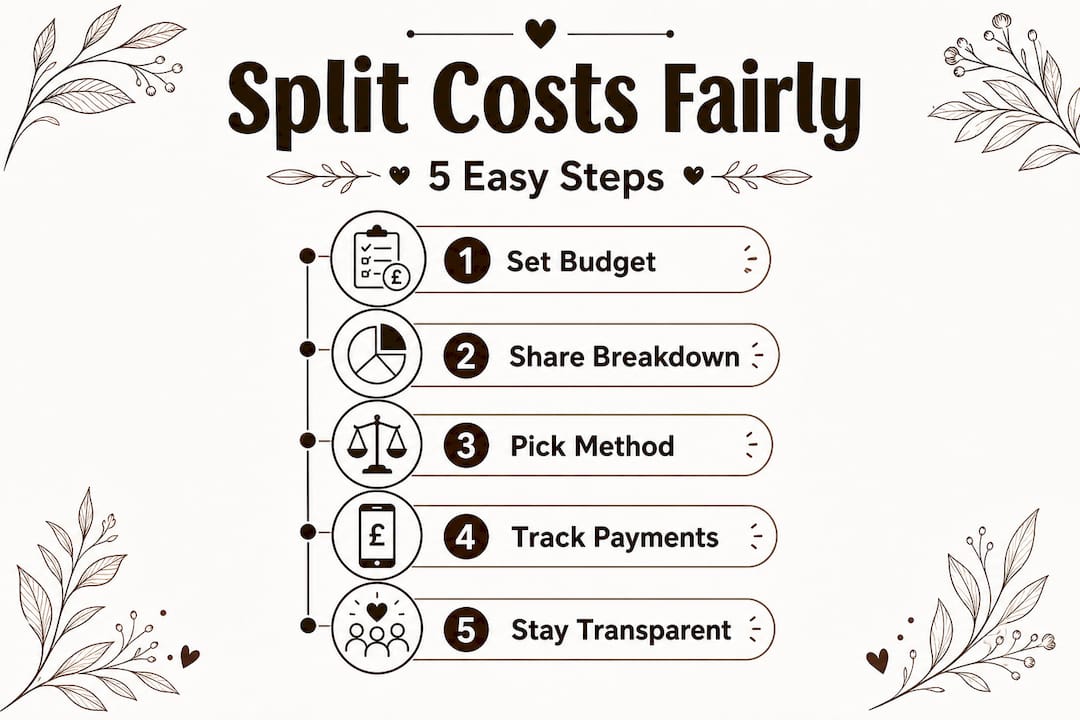
- List every cost category. Accommodation, transport, activities, meals, drinks, decorations, and the bride’s share all need to be accounted for. Don’t forget smaller items like personalised sashes, games, or a gift from the group.
- Get firm quotes, not estimates. Contact venues and activity providers directly to confirm prices. Estimates have a way of creeping upward, and surprises are nobody’s friend.
- Calculate the base cost per person. Take the total and divide by the number of confirmed guests, not the number of people who said “I’ll probably come.”
- Add a contingency buffer. As recommended by experienced hen do planners, adding roughly £10 per person to cover unexpected costs is a smart move that saves enormous stress on the day.
- Share a full, itemised breakdown with the group. Don’t just send a total. Show everyone exactly what they’re paying for. It builds trust and reduces pushback.
Here’s a simple example of how a budget breakdown might look for a weekend hen do:
| Cost category | Total cost | Per person (10 guests) |
|---|---|---|
| Accommodation (2 nights) | £600 | £60 |
| Activities (spa + cocktail class) | £400 | £40 |
| Meals and drinks | £300 | £30 |
| Transport | £100 | £10 |
| Bride’s share covered by group | £140 | £14 |
| Contingency fund | £100 | £10 |
| Total per person | £1,640 | £164 |
This kind of table takes ten minutes to put together and saves hours of back-and-forth later. If you’re planning something more elaborate, like a themed weekend with personalised hen do decorations or a full hen do theme experience, your categories will expand, but the principle stays the same.
Pro Tip: Send the budget breakdown before asking for payment. People are far more willing to commit when they can see exactly where their money is going.
How to split costs: Payment methods and logistics
You’ve got your budget. Now comes the part that trips up even the most organised bridesmaids: actually collecting the money. This is where clear systems make all the difference.
Upfront vs. instalment payments
For shorter, lower-cost hen dos, asking for full payment upfront is the cleanest approach. It confirms commitment and means you’re not chasing people for weeks. For bigger weekends or destination hen dos, like a sun-soaked Barcelona hen do or a wild Ibiza adventure, splitting payments into two or three instalments is more manageable for guests.
Here’s a quick comparison to help you decide:
| Payment method | Best for | Pros | Cons |
|---|---|---|---|
| Full upfront | Short, local hen dos | Simple, confirms commitment | Can feel like a big ask |
| Two instalments | Weekend getaways | Spreads the cost, still manageable | Requires two rounds of chasing |
| Three or more instalments | Destination hen dos | Very accessible for guests | More admin, longer lead time needed |
Group payment apps
Gone are the days of collecting cash in envelopes. Apps like Splitwise, Monzo group pots, and PayPal make it easy to track who has paid and who hasn’t, without the awkwardness of asking directly. Many of these tools send automatic reminders, which removes the social discomfort of chasing friends for money.
Here’s what works well when using payment apps:
- Set a clear payment deadline in the group chat and in the app, so nobody can claim they didn’t know
- Name the pot clearly, something like “Sarah’s Hen Do Fund,” so payments are easy to identify
- Send one reminder before the deadline and one on the day it’s due, no more than that
- Confirm receipt individually so guests know their payment landed correctly
As Mumsnet planners note, upfront payments or instalments ease logistics considerably, especially when you’re coordinating bookings with a hen do agency that needs deposits confirmed quickly.
Pro Tip: Designate one person, ideally the chief bridesmaid, as the sole payment collector. Having multiple people handling money is a recipe for confusion and double-counting.
Troubleshooting: Handling common costs disputes
Even with the best planning, things can go sideways. Someone drops out two weeks before. A venue changes its pricing. Two guests fall out and one refuses to pay. Here’s how to handle the most common scenarios with grace and firmness.
Late payments. Send a friendly but firm reminder three days before the deadline. If payment still hasn’t arrived by the due date, follow up privately rather than calling someone out in the group chat. Keep it warm but clear: “Hey, just checking your payment came through, we need to confirm the booking by Friday!”
Guest numbers changing. If someone drops out after costs have been confirmed, the remaining guests shouldn’t automatically absorb the extra. Decide in advance whether the contingency fund covers this or whether the person dropping out is responsible for their share. Spell this out in your initial message to the group.
Someone genuinely can’t afford it. This happens, and it’s worth handling sensitively. You could offer a payment plan, reduce their activity package, or quietly check whether anyone else in the group would like to contribute a little extra. Never shame anyone publicly.
Disputes about what was included. If a guest feels they were charged for something they didn’t use or attend, refer back to the itemised breakdown you shared at the start. That document is your best friend in any dispute.
“Transparency from the very beginning is the best conflict prevention tool you have,” as experienced hen do organisers consistently emphasise. Having everything in writing protects everyone.
For destination hen dos, like a fabulous Marbella hen party, the stakes are higher and the costs more complex, so having these conversations early is even more essential. Book nothing until you have confirmed payments or firm commitments in writing.
Verifying fairness: Did everyone pay their share?
Once the hen do is done and the memories are made, it’s worth taking a moment to review how the finances actually landed. This isn’t about being pedantic. It’s about making sure nobody ended up quietly subsidising someone else’s fun.
Follow these steps to close out the finances cleanly:
- Collect all receipts and bank records. Compare what was actually spent against the original budget. Did the contingency fund get used? Was anything cheaper than expected?
- Check every guest’s payment against the agreed amount. Use your app records or bank statements to confirm each person paid their full share. If there’s a discrepancy, address it promptly and privately.
- Redistribute any surplus. If the contingency fund wasn’t fully used, decide as a group whether to refund it proportionally or put it towards a small gift for the bride.
- Send a thank-you message. A simple note to the group acknowledging everyone’s promptness and generosity goes a long way. It closes the financial chapter on a warm note.
📊 Stat to note: Research consistently shows that financial transparency in group events significantly reduces post-event disputes and improves overall satisfaction among participants. Groups that share itemised budgets upfront report far fewer conflicts than those who simply split a final total at the end.
For destination events like an Ibiza hen do, where costs can include flights, villas, boat parties, and excursions, this post-event review is especially valuable. It gives you a clear picture of the real cost per person and helps everyone plan more accurately for future trips.
Our take: Why transparent budgeting beats tradition
Here’s something we genuinely believe, and it might ruffle a few feathers. The tradition of keeping hen do costs vague, assuming everyone will just chip in, or expecting guests to figure it out, is one of the most unnecessary sources of stress in modern wedding culture.
There’s a lingering idea that talking openly about money is somehow unladylike or awkward. That a good bridesmaid just pays whatever is asked without question. But that attitude quietly excludes people who are on tighter budgets, creates resentment in those who feel overcharged, and puts enormous pressure on the organiser who’s left guessing whether everyone is actually okay with the cost.
We’ve seen it time and again. Groups who start with a clear, honest budget conversation have more fun. Full stop. They spend less time worrying about whether they can afford the next round and more time actually celebrating. The bride feels less guilty. The bridesmaids feel respected. Everyone wins.
The hen do themes and activities you choose matter, of course. But the financial foundation you build underneath them matters just as much. A lush weekend in Barcelona means nothing if half the group is quietly stressed about their bank balance.
Our team has planned hen dos across Europe, and the ones that go smoothest are always the ones where the organiser was brave enough to send that first honest message: “Here’s the full cost, here’s what’s included, here’s the deadline.” It feels vulnerable. It’s actually empowering. As Mumsnet’s community of experienced planners will tell you, upfront clarity is the single biggest factor in stress-free hen do logistics.
Be the organiser who starts that conversation. Your group will thank you for it.
Helpful resources for your hen do budgeting
Sorting the finances is the backbone of any brilliant hen do, and once that’s in place, the fun part really begins. Whether you’re dreaming of a chic city break or a sun-drenched beach weekend, having the right support makes everything easier.

At TheHendoIdeas.com, we specialise in taking the stress out of group planning. Our hen do party planner service handles everything from activity bookings to transparent group pricing, so you’re never left guessing what things cost. Looking for something to make the bride feel extra special? Browse our curated hen do gift ideas for inspiration that suits every budget. And if you’re considering a destination celebration, our Barcelona hen party packages come with clear, all-inclusive pricing that makes splitting costs genuinely simple. Let us help you plan the hen do she’ll never forget. 🥂
Frequently asked questions
What is a typical hen do cost per person in the UK?
Costs typically range from £50 to £150 per person for a local hen do, but destination weekends can push well beyond that depending on activities, accommodation, and travel.
Should the bride pay at all for her hen do?
Traditionally, the bridal party covers the bride’s costs, but it’s always worth clarifying this with the group upfront to avoid any unexpected financial surprises for the organiser.
How can we handle last-minute cancellations?
Use your contingency fund to absorb shortfalls where possible, and make sure your cancellation policy is agreed in writing before anyone pays, as recommended by hen do planners.
What tools help manage group payments?
Apps like Splitwise, Monzo group pots, and PayPal are brilliant for tracking contributions, sending reminders, and keeping a clear record of who has paid what.
Is it fair to ask for payment upfront?
Absolutely. Upfront payments confirm commitment, protect the organiser from being out of pocket, and make it far easier to secure bookings with venues and activity providers.
Recommended
- The Hen Do Ideas – Agency Specialised in Hen Do Parties
- Hen Do Decorations 👰🏻♀️ Good Tips for You!
- Blog
- Hen Do Ideas – Check out the top activities of 2024! ✨
